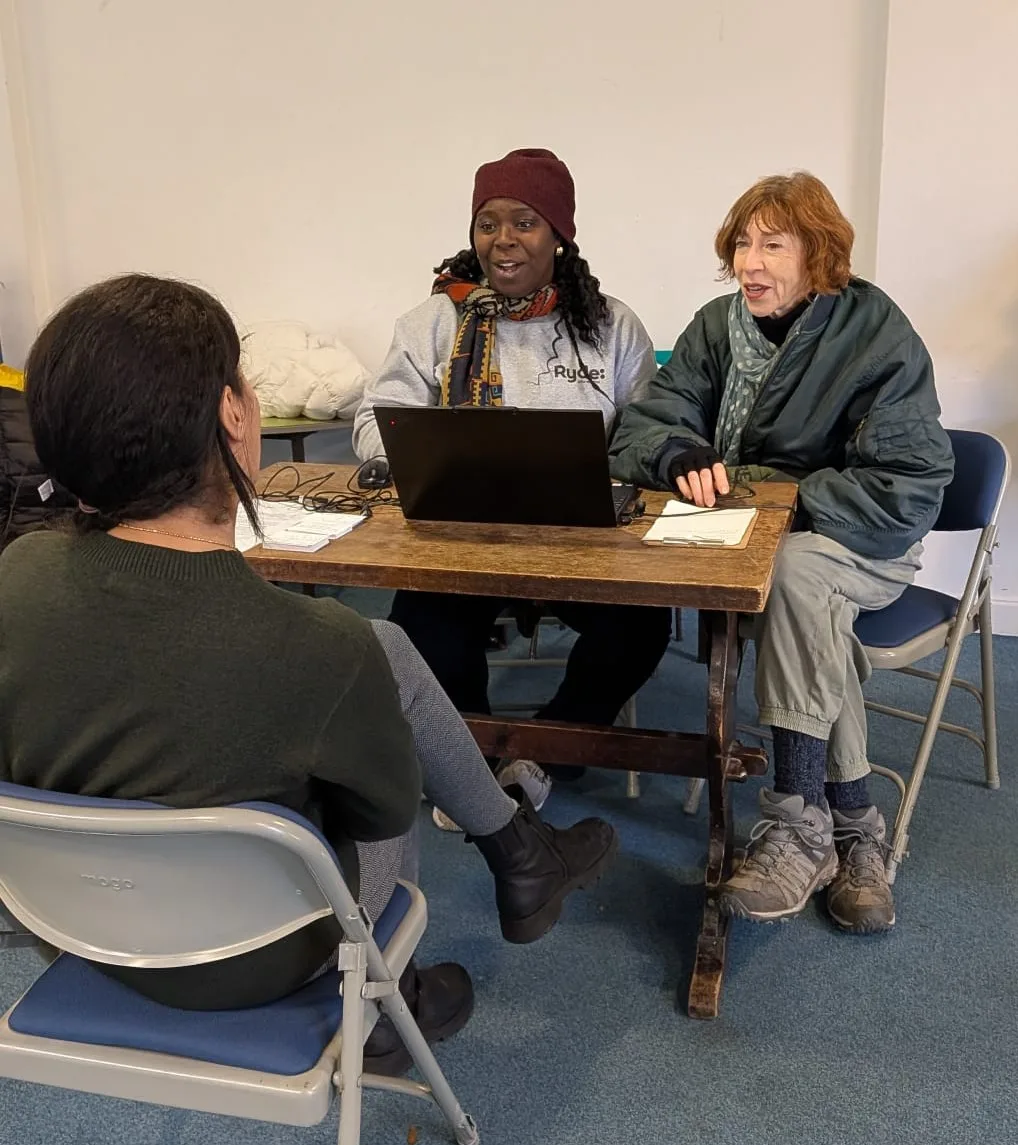

Finchley Foodbank's new Information and Support Service helps clients check benefits, cut energy bills and find work, at its Tuesday and Saturday sessions.
Finchley Foodbank, which hands out emergency food to around 500 people a week, has started offering its clients help with the problems that bring them through the door: benefits they may be missing, energy bills they cannot meet, and finding work. The new Information and Support Service began on Tuesday 13 October and runs alongside the food sessions every Tuesday and Saturday at St Mary’s Parish Centre in East Finchley.
The foodbank says the aim is to help people need it less often. Its new team talks to registered clients while they are there for food, works out what they need and points them to advice and local services.
Overview
- What: free information and support for Finchley Foodbank clients, alongside the emergency food.
- When: during the Tuesday and Saturday sessions, which run from 12pm to 1.30pm.
- Where: the hall behind St Mary’s Catholic Church, 279 High Road, East Finchley, N2 8HG.
- Help with: benefit entitlements, bills and energy costs, debt, health and wellbeing, council services, right to work and finding a job.
- Who can use it: registered foodbank clients only. Anyone living in the London Borough of Barnet can register in person at a session, and no voucher or referral is needed.
A team leader with 10 years in outreach
The service is led by Jeminah Francis-Pennant, who joined the foodbank as Team Leader. The foodbank says she has more than 10 years’ experience supporting families and individuals through work with local authorities, community organisations and wellbeing projects, with a background in outreach, volunteer coordination and partnership working.
“I am very pleased to join Finchley Foodbank and look forward to supporting clients to use the newly formed Information and Support service,” she said.
“Clients attending the Foodbank will be encouraged to engage with the new service, and connect with wider support. The new service will provide personalised support, expert guidance and practical help such as reducing energy bills, checking benefit entitlements, and finding local employment opportunities.”
Why the foodbank wants to be needed less
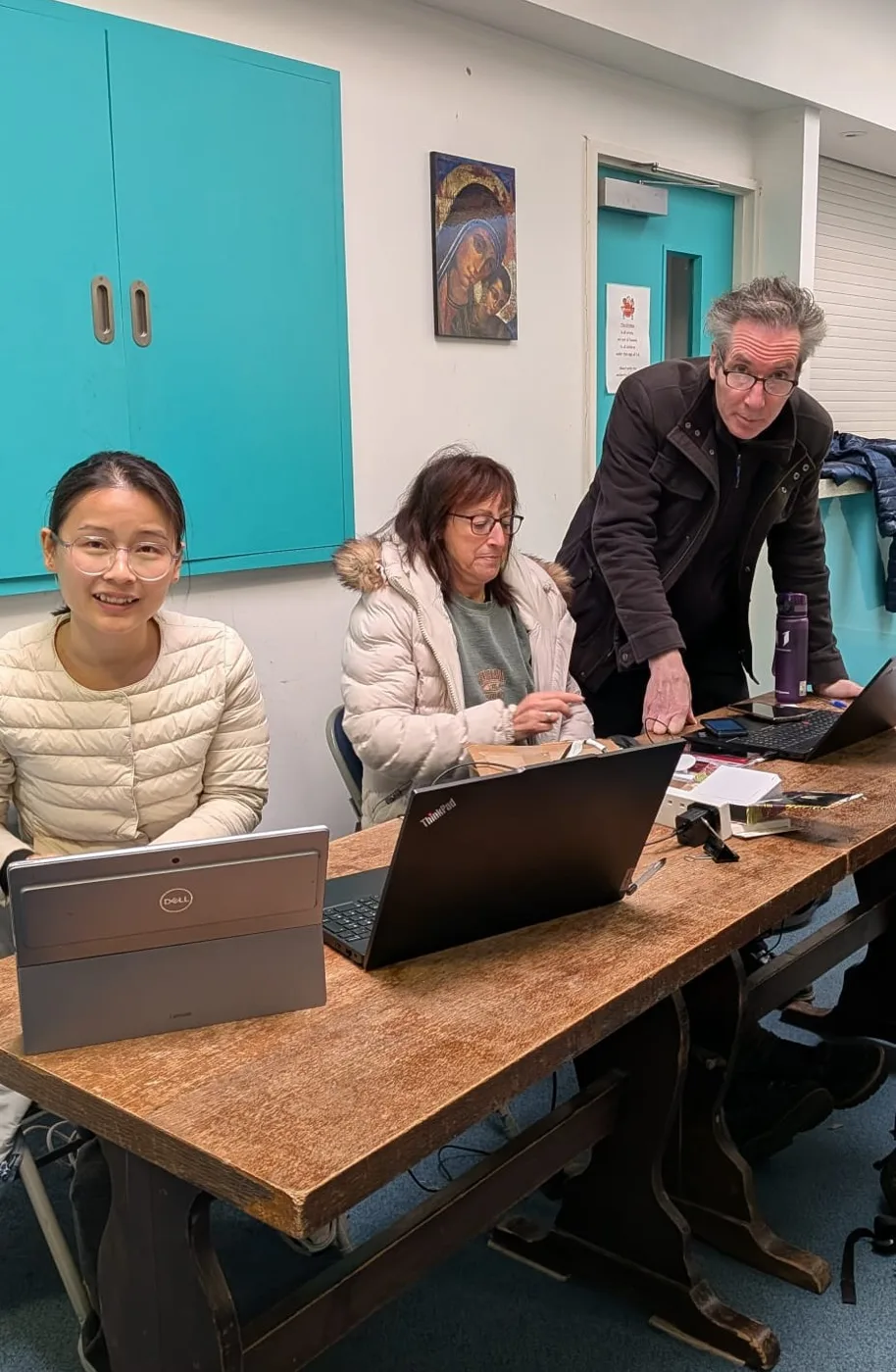
The service was developed by Helena Pugh, the foodbank’s Head of Information.
“Our aim is the relief of financial hardship among people in Barnet not just by providing emergency food but by signposting people to relevant information and other advisory services that can help address the causes of poverty,” she said.
“We are proud to be able to offer this enhanced service to clients, thanks to the support of our volunteers and the hard work of our small operations team.
“The demand for food from Finchley Foodbank remains high, at around 500 people being supported each week during 2025 and 2026. Our hope is that the new service will help reduce the number of times people visit us and so make our services more sustainable.”
The foodbank’s own figures put its weekly reach at around 500 to 550 people across its two sessions, where clients choose emergency food and toiletries. It has been running in Barnet since 2013, costs £12,000 a month to run, and relies on St Mary’s Church and more than 200 local volunteers. It fundraises to buy what donations do not cover, particularly fresh fruit and vegetables, toiletries and eggs.
What it means for you
If you are already a Finchley Foodbank client, you will be invited to speak to the Information and Support team at your next visit. It costs nothing and sits alongside your food collection, so there is no separate appointment to make.
If you are struggling for food and live in the borough, you can register at a Tuesday or Saturday session; the foodbank asks first-time visitors to arrive before 1pm. According to its Get Help page, you need proof of address dated within the last three months for every adult in the household you are collecting for, such as a GP or hospital letter, a bill or a bank statement. For a child under one, bring an official document showing their name, date of birth and address, such as a child benefit letter or the NHS red book; passports and birth certificates are not accepted. You can take food on your first visit, and if you do not have the documents with you then, you have up to three visits to bring them.
Registered clients can visit once a week for eight weeks, then every other week. The foodbank also has Digital Champions who help people get online to send emails and research benefits, and may be able to provide free SIM cards to people who cannot afford the internet.
If you want to help, the foodbank posts its most-needed items each week on its website, where you can also donate or sign up to volunteer.
Have your say