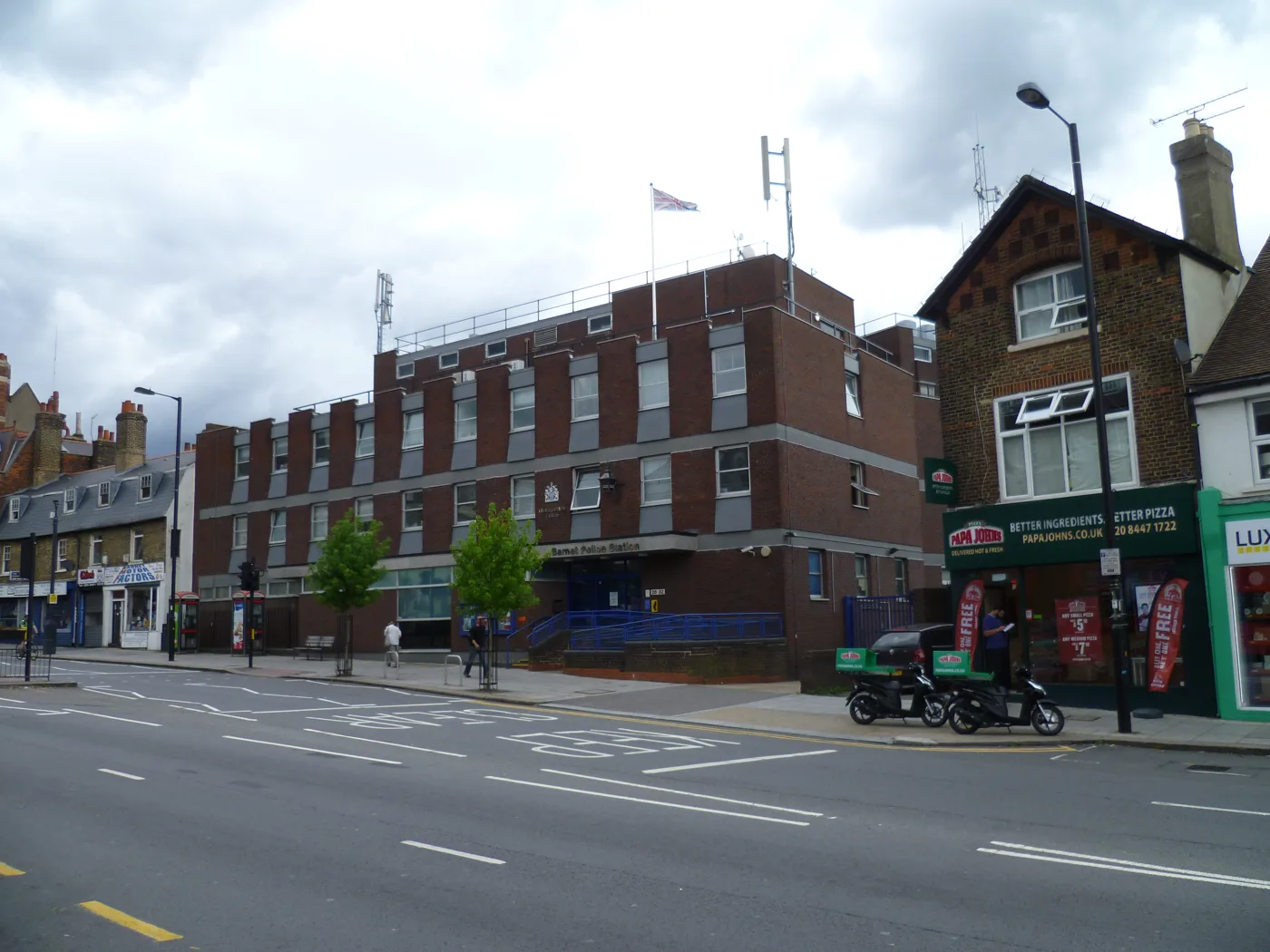

The Met has shed 3,300 officers and staff in two years and plans 1,000 more cuts. Its Police Federation faces Assembly questions at City Hall on 4 November.
The Metropolitan Police has cut its workforce by 3,300 officers and staff over the past two years and says it needs to lose around 1,000 more posts this year. On Wednesday 4 November the people who represent the officers left on Barnet’s streets will be asked at City Hall how they are coping.
The London Assembly’s Police and Crime Committee will hold a question and answer session with the Metropolitan Police Federation from 11am to 1pm, after an hour from 10am with His Majesty’s Chief Inspector of Probation on the government’s early prison release scheme. The meeting is in the Chamber at City Hall and, the Assembly says, “media and members of the public are invited to attend.”
What the committee will ask
The Assembly put the question plainly in its notice: the Met “is undergoing significant change, from continued efforts to change the toxic workplace culture highlighted in the Casey Review, to ‘tough choices’ leading to cuts across the Met – but how are the officers responding to this change?”
In 2023 Baroness Casey’s review found the Met to be institutionally racist, misogynistic and homophobic, and the force answered with its reform programme, A New Met for London. In 2024, facing a large funding gap, it announced “tough choices” including workforce reductions and the closure of a number of police front counters across London.
The committee’s background paper sets out how far that has gone. In 2026/27 the Met has to close a funding gap of £100 million, £70 million of it already found from savings that do not touch the workforce, and it has said it could face a further £125 million gap in 2027/28. The paper quotes the force saying that the “scale of the financial challenge we face means that over the course of this year, we need to reduce the size of our workforce by around a further 1,000 posts”, and that it is now the smallest it has ever been per head of population, policing a larger and more complex London.
The part Barnet residents will notice is where the force says the next cuts could fall. It has said it may need to consider reductions in “areas linked to emergency response, proactive crime reduction, public order deployment, offender management and serious and organised crime,” according to the paper, which cites a letter from Deputy Commissioner Matt Jukes to London partners on 6 August 2026.
The committee says it wants to understand how these pressures are affecting officers’ ability to deliver the second phase of A New Met for London, “and whether they have the support, training and resources needed to police London effectively.” The paper lists the strains officers report: high workloads, staffing shortages and inexperience, cancelled rest days, physical attacks, trauma, confidence in leadership, declining morale, public scrutiny and fear of complaints.
Who is answering
The Federation is the statutory staff association for every constable, sergeant, inspector and chief inspector in the Met. Police officers are barred by law from joining a trade union or taking industrial action, so the Federation is the only collective voice they have. Its chair, Paula Dodds, and general secretary, Matt Cane, will give evidence.

First: early prison release and probation
The first hour, from 10am, is with Martin Jones CBE, His Majesty’s Chief Inspector of Probation. The committee questioned the Met on the same scheme in October.
Under the Sentencing Act 2026, most adults serving standard fixed-term sentences have been released earlier since 1 October 2026: after a third of the sentence instead of 40 to 50 per cent, or after half instead of two thirds. Rape, serious child sex offences, grooming and offences of unlawful killing are among those excluded. The committee paper says around 700 of an estimated 4,500 eligible prisoners left jail on 1 October and around 650 more on 13 October, across England and Wales, with ten release phases running to June 2027.
Those released serve the rest of their sentence on licence under probation supervision, which is the committee’s concern. The paper notes the government says probation has recruited 1,300 more staff, while an inspection briefing on 29 September found almost half of electronic tags were not fitted on time, with some offenders waiting up to five months. The committee says it will examine whether London’s probation service has the staff and resources to supervise those released safely, and how well it is working with the police.
How to watch
The meeting is open to the public at City Hall, Kamal Chunchie Way, E16 1ZE, from 10am on Wednesday 4 November. It is also shown live and afterwards on the Assembly webcast and the London Assembly YouTube channel. The agenda and background papers are online. The committee’s chairman is Susan Hall AM.
The next day, Thursday 5 November, the Mayor and the Met Commissioner face the full Assembly on policing, with the safety of London’s Jewish communities among the questions.
Have your say