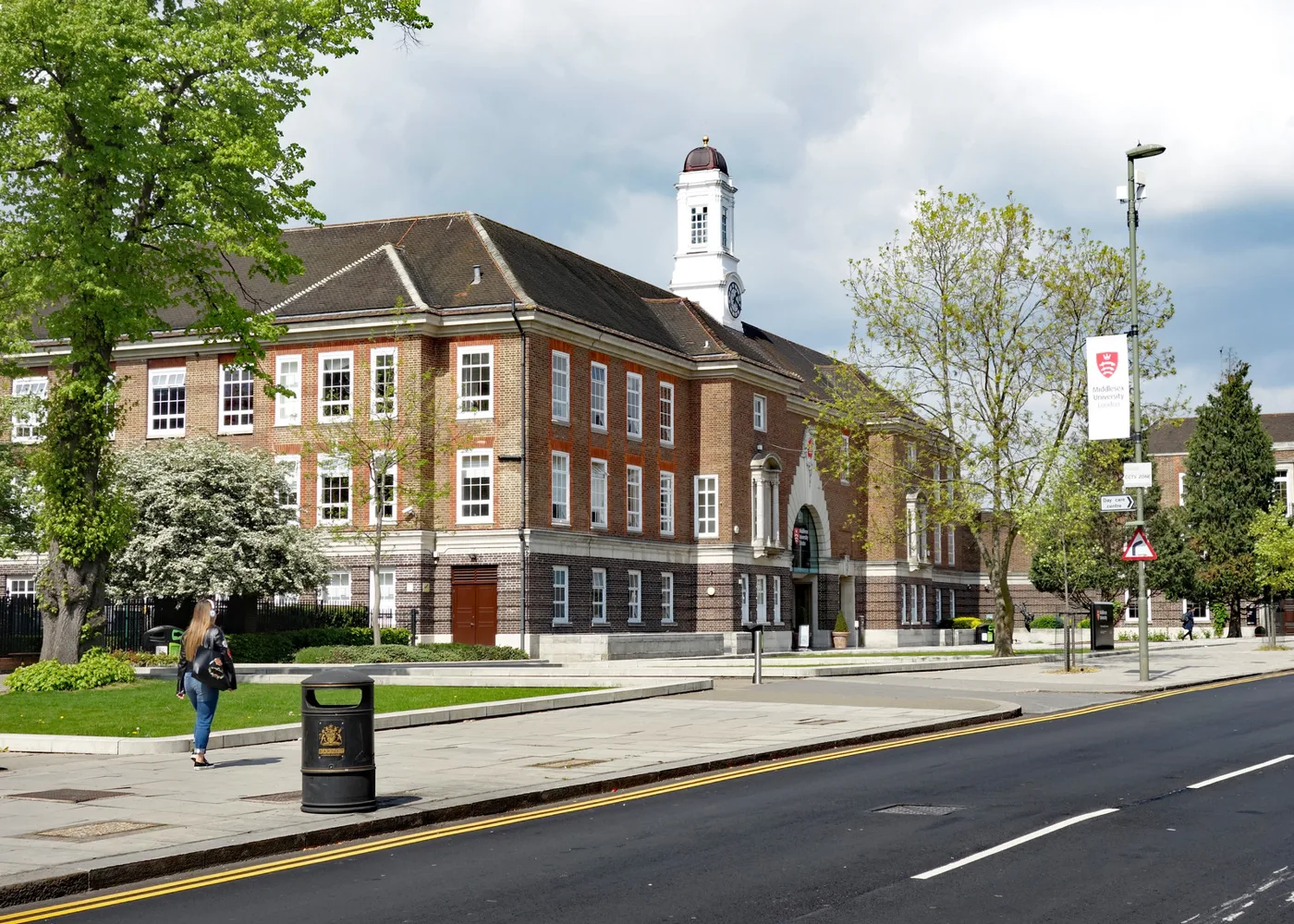

Middlesex University teams took gold, silver and bronze in Industrial Robotics at the WorldSkills UK National Finals. The university finished joint sixth in the medals table.
Students from Middlesex University, based on The Burroughs in Hendon, won gold, silver and bronze in Industrial Robotics at the WorldSkills UK National Finals. The university announced the results on its news pages on Monday.
Overview
- What: a clean sweep of the Industrial Robotics medals at the WorldSkills UK National Finals.
- Gold: Dwij Sampat and Neel Vashi, second-year BEng Mechatronics and Robotics students.
- Overall: Middlesex teams finished joint sixth in the national medals table.
- Where: the finals were held in South Wales, with more than 400 finalists in 47 disciplines.
Who won what
Ten Middlesex students competed in pairs in the Industrial Robotics category. Each pair had to design, programme and set up a robotic system to carry out manufacturing tasks against the clock. The university says the medals went as follows.
| Medal | Team |
|---|---|
| Gold | Dwij Sampat and Neel Vashi |
| Silver | Denis Kerxhaliu and Dogu Muhurdaroglu |
| Bronze | Jay Nii-Addy and Peter Zekry |
There was a fourth medal in a separate category. Nick Makatsaria, a part-time Middlesex BEng Mechatronics and Robotics student, won silver in Automation with Santiago Strajijar, also a Middlesex BEng student. They competed for London Design and Engineering UTC, where Nick works.
Middlesex also entered the Industrial Electronics and Laboratory Technician finals. The university organises four of the national competitions itself: Automation, Mechatronics, Industrial Robotics and Laboratory Technician.
What the task was
The robotics teams had to build and programme a small automated system for packing chocolate. It was set up as a mini-factory for the food industry, known as a robotic work cell.
That meant connecting a robotic arm to sensors and control systems, then programming it to run a simulated factory job. Judges marked how well each system worked, how the teams solved problems and fixed faults, and whether they worked safely.
In the winning pair, Neel ran the software: the robot’s movements, the cell layout, the sensors and the vision system. Dwij handled the hardware, building and wiring the system and fitting the tools.
A year of training
The pair started preparing last December, according to the university. They trained on industrial FANUC robots, with equipment worth up to £30,000, and spent up to 30 hours a week with them.
“The training has been intensive, involving 12-hour days,” Neel said. “We’ve had to think carefully at every stage, from checking safety and programming the robot to making sure everything works properly.”
Dwij said the competition had been “a real bridge between classroom learning and the realities of working in industry”.
Two Middlesex graduates who reached the WorldSkills international competitions, Pratham Lohia and Jason Scott, helped to train and mark the teams. Pratham is now studying for a master’s in robotics at the university.
Karla Kosch, a lecturer in robotics at Middlesex and WorldSkills UK’s training manager for robot systems integration, said it was “fantastic to see the next generation of Industrial Robotics talent stepping onto the national stage”.
What it means for you
WorldSkills UK runs national competitions in technical and practical trades for young people, and the best go on to train for the international finals. For anyone in the borough weighing up an engineering course, the result shows the robotics and mechatronics degrees at the Hendon campus competing at the top of the national field.
The university’s Faculty of Science and Technology runs the courses. The full announcement, with the rest of the team’s results, is on the Middlesex University website.
Have your say